
The ALKALOIDS PLANTS in BIODIVERSITY


To the Andean-Amazon ecosystem, privileged area of planetary biodiversity, belong about 80 of the 120 known systems, with incalculable regenerating potential for life’s processes, but also at risk of catastrophic disasters, in case of deterioration or destruction of the integrity of the vital balance.
The plant of Coca, for its potential beneficial uses, stands in the specific and promising area of alkaloids plants, botanical resources identified by the content of alkaloids, defined as nitrogen composed elements, present in different botanical species, with peculiar physiological and toxicological properties.
The content of alkaloids in a plant is a proper character of variety, defined by growth conditions, exposure to sun or shade, from wild or cultivated condition, by the influence of fertilizers, by the age itself of the plant.
The alkaloids, mostly bitter by taste, involve multiple pharmacological dynamic effects at the level of all areas of the central and peripheral nervous system; the effect of an alkaloid depends upon the way the plant and its parts are used, according to the traditions, customs, uses and abuses.
The alkaloids can cause intoxication, accidental or intentional, both individually and socially, up to the abuse and drug addiction, as well as they can be placed among the most effective therapeutic agents for their physiological peculiarities, if administered in correct doses and formulations, according to different clinical needs.
Various plants contain alkaloids.
The cocoa contains, among other components, the theobromine, in Greek meaning food of the Gods, because in ancient Greece were known its effects on mood stabilization, effects on the central nervous system currently proven by the scientific researches.
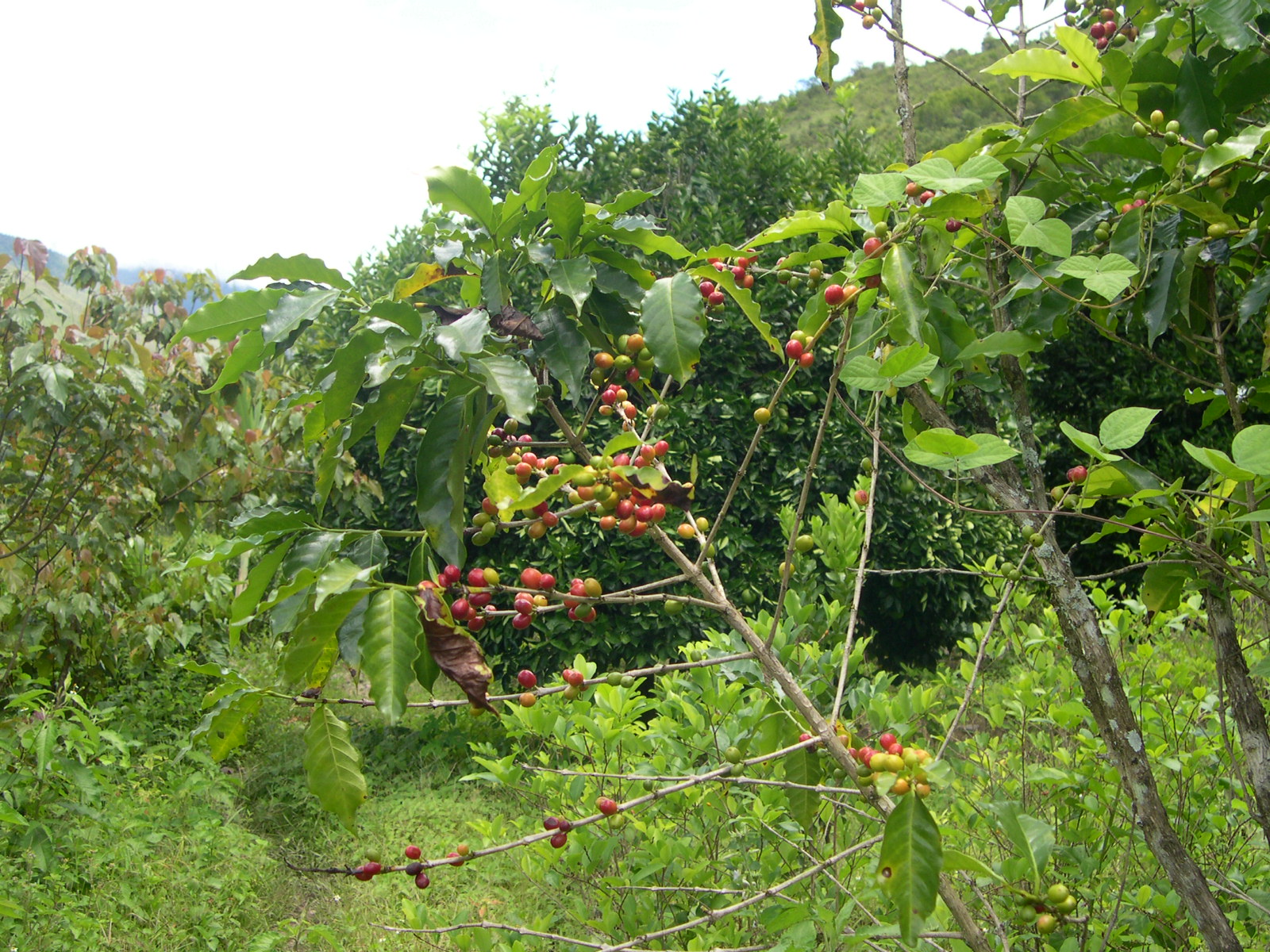
The tea contains thein, a mild stimulant and diuretic; the coffee contains caffeine, with well known effects of use and abuse, socially endorsed and guaranteed, as well as about tobacco containing nicotine.
The cannabis contains tetra-hydro-cannabinol with other components and the opium contains morphine: albeit in place yet more conflictive with respect to coffee and tobacco, both remain on the thin barrier between potential beneficial uses and perverse ways of abuse.
The chat or khat, consumed in the Horn of Africa, contains both amphetamine-like principles and morphine-like ones … and then a myriad of alkaloids plants swarming into the intricacies of Nature.
In another chapter the details about the components of the Coca of the Andes, which contains an absolutely amazing package of nutrients along with at least 13 active alkaloids.
In many cultures people use not manipulated botanical resources containing alkaloids, whose abuse is impossible, because of the ritual and traditional patterns in a culturally intact context, where social integration acts as a mechanism of control and adjustment of individual and collective behavior.
When the social frame is torn apart or the individual’s psycho-physical balance is altered or when they come into play the economic and geopolitical interests of such a remarkable importance that undermine every code of ethics and culture, the abuse patterns find a favorable ground to grow in, as it’s an individual and social experience
No comments yet.
Add your comment